

{
  "authors": [],
  "type": "conference",
  "centerAffiliationAll": "",
  "centers": [
    "Carnegie Endowment for International Peace"
  ],
  "englishNewsletterAll": "",
  "nonEnglishNewsletterAll": "",
  "primaryCenter": "Carnegie Endowment for International Peace",
  "programAffiliation": "",
  "topics": [
    "Technology",
    "Domestic Politics",
    "Civil Society",
    "Climate Change",
    "Economy",
    "Foreign Policy",
    "Global Governance"
  ]
}
2026 Mort Abramowitz Junior Fellows Conference
Wed, May 6th, 2026
Washington, DC
From the global AI race to conflicts stretching from Ukraine to the Middle East and the Western Hemisphere, and accelerating climate instability and migration pressures, the future of international cooperation is increasingly uncertain. And with polarization on the rise and trust in institutions eroding, the foreign policy landscape in Washington and around the world is becoming more volatile. For today’s global affairs professionals, these shifts present two challenges: developing policies that can ensure global order in unstable and polarized times, and communicating effectively to build the case for their ideas.
How can the next generation of researchers and policy experts break through the noise to reach decision makers and help create better outcomes for a fractured world? Through expert panels examining how to craft lasting foreign policy in polarized times and the role of middle powers in the global AI race, and hands-on breakout sessions to develop communications skills to meet the moment, the 2026 Mort Abramowitz Junior Fellows Conference will provide students and early career professionals with a unique opportunity to engage with the foreign policy community.
This year, attendees will be asked to apply to attend the conference, and selected applicants will be notified via email. Current undergraduate and graduate students, and early career professionals, are encouraged to apply. Space is limited, please fill out the form here to apply.
Panel
Wed. May 6, 20269:30 AM - 10:30 AM EDT
Opportunities and Obstacles for Middle Powers in the AI Race
As competition between the United States and China over artificial intelligence intensifies, the world has grown increasingly dependent on these two great powers to develop, govern, and disseminate the technologies poised to shape the global economy and international security for decades to come. For middle powers in Europe, the Middle East, and around the world, this moment presents a strategic dilemma: align with Washington or Beijing, band together to extract leverage from both, or attempt to chart an independent course.
Where does the global AI competition currently stand? What value propositions can the United States and China offer to countries weighing their options? Can middle powers—spanning diverse geographies and geopolitical interests—find common ground to engage Washington and Beijing on their terms? Or should they push to develop home-grown sovereign AI capabilities?
This expert panel will examine the trade-offs, obstacles, and opportunities facing middle powers as they navigate the geopolitics of artificial intelligence.
Additional speakers will be announced soon.
Fellow, Technology and International Affairs
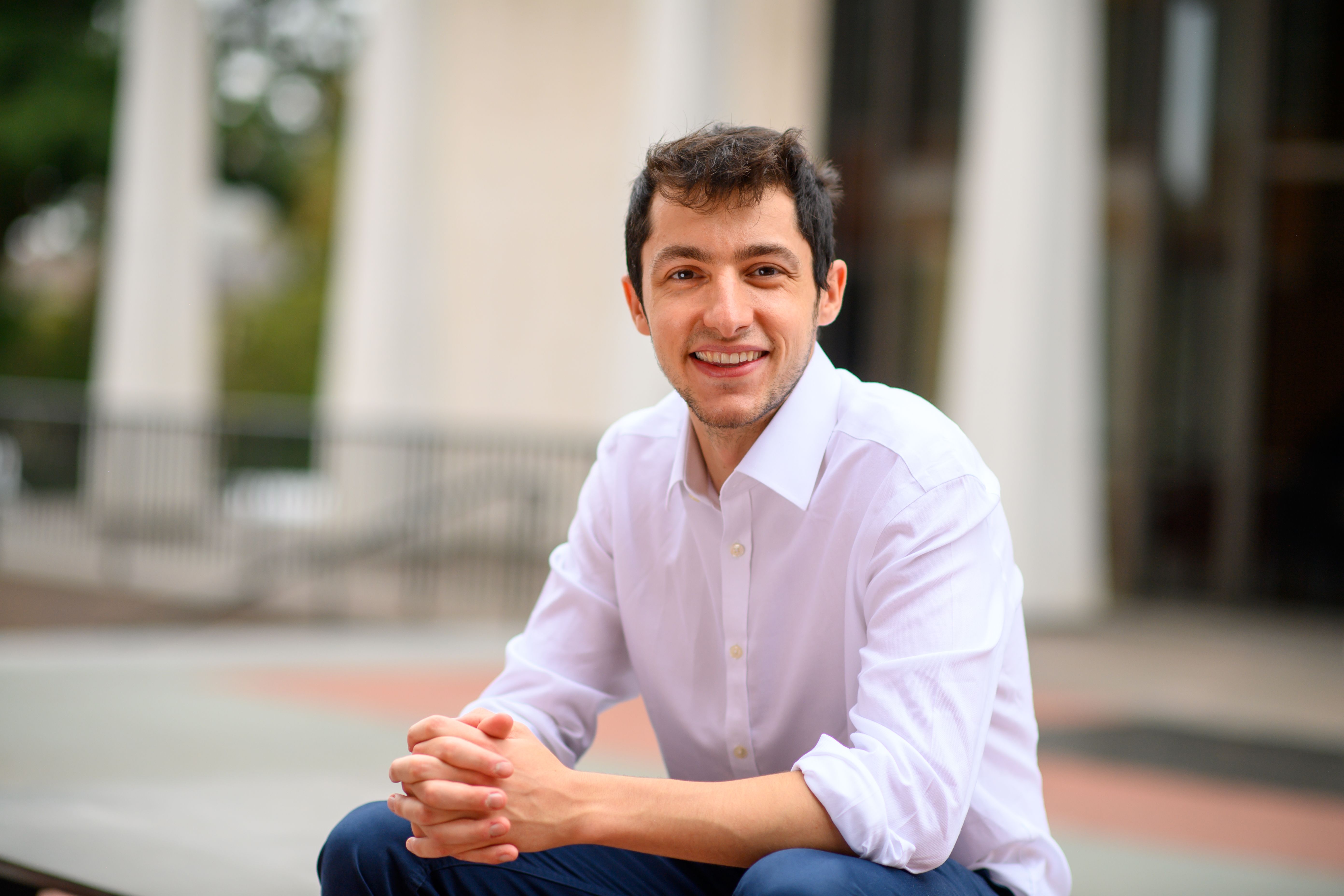
Sam Winter-Levy is a fellow in the Technology and International Affairs Program at the Carnegie Endowment for International Peace, where his research covers emerging technology and national security, with a focus on the geopolitics of AI.
Mohammed Soliman
Senior Fellow, Middle East Institute
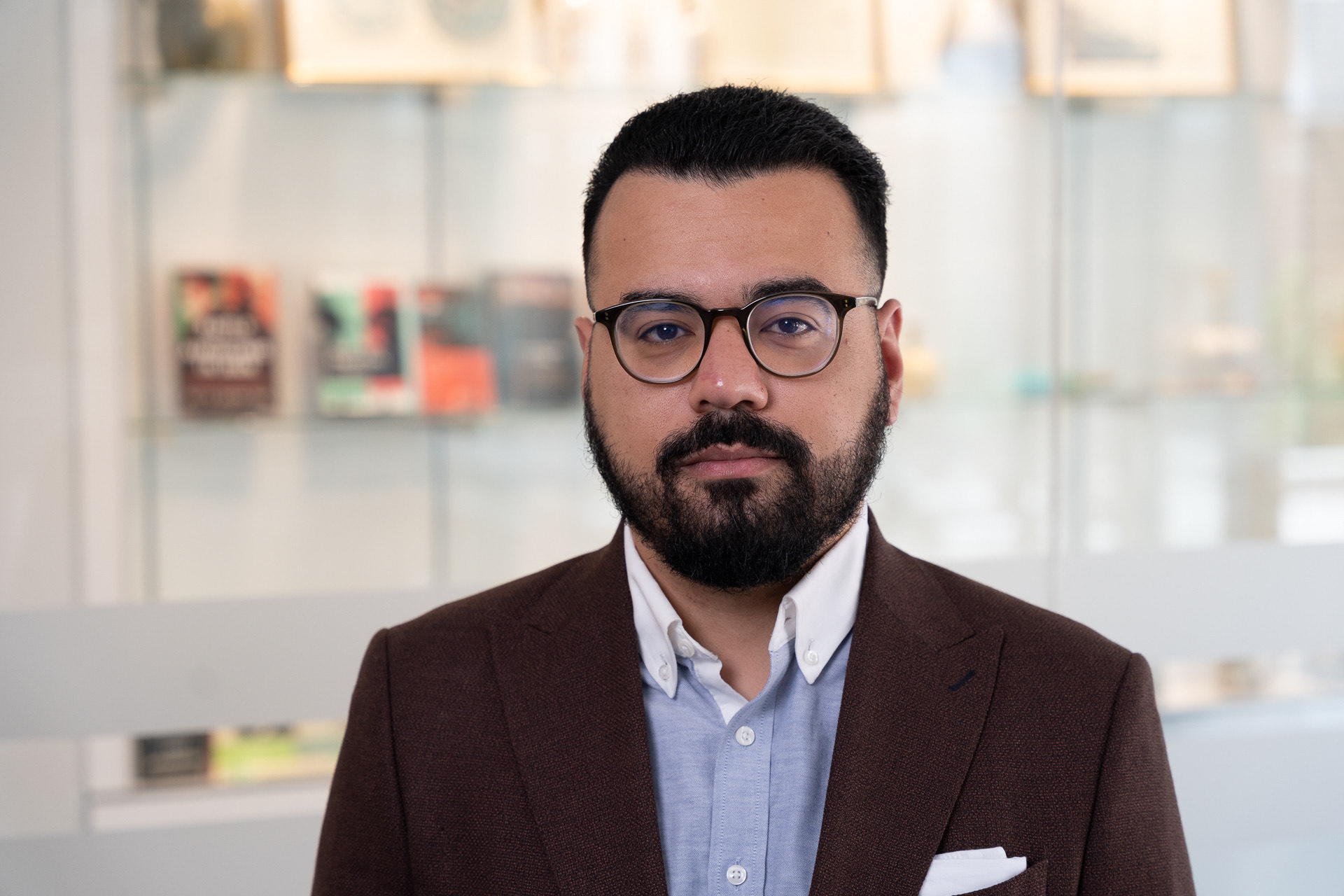
Mohammed Soliman is a senior fellow at the Middle East Institute (MEI), where he focuses on the intersection of technology, geopolitics, and business in the Middle East and other emerging markets. He is also a director at McLarty Associates, a global advisory firm, and a non-resident senior fellow at the Foreign Policy Research Institute and a visiting fellow with the National Security Program at Third Way.
Georgia Adamson
Technology Fellow, Institute for Progress
Georgia Adamson is a technology fellow at the Institute for Progress (IFP), where she focuses on AI policy, U.S.-China competition, and U.S. foreign policy. Before joining IFP, Georgia worked on AI policy at the Center for Strategic and International Studies (CSIS) in Washington D.C.
Panel
Wed. May 6, 202611:00 AM - 12:00 PM EDT
The Making and Breaking of Foreign Policy in an Age of Partisan Polarization
While it is not new for Republican and Democratic administrations to have differing foreign policy perspectives, the gap in priorities and outlooks feels further apart with each new resident of the White House. From the National Security Strategy to engagements abroad and the development, or breakdown, of alliances, both parties are calling once reliable positions in Washington into question.
Where have Republicans and Democrats historically diverged on definitions of national security and is party affiliation the right lens through which to see polarization in a foreign policy context? How do high levels of partisan polarization impact policymakers’ ability to communicate threats to the public and shape policy at the highest levels? And does a lack of consistency in partisan visions for foreign policy impact U.S. credibility with allies?
Panelists will break down these and other questions, and whether continuity and credibility can be preserved, looking ahead to the next administration change in 2028.
Additional speakers will be announced soon.
Senior Fellow, American Statecraft Program

Aaron David Miller is a senior fellow at the Carnegie Endowment for International Peace, focusing on U.S. foreign policy.
Megan Doherty
Director, Washington Liaison Office for UNOPS
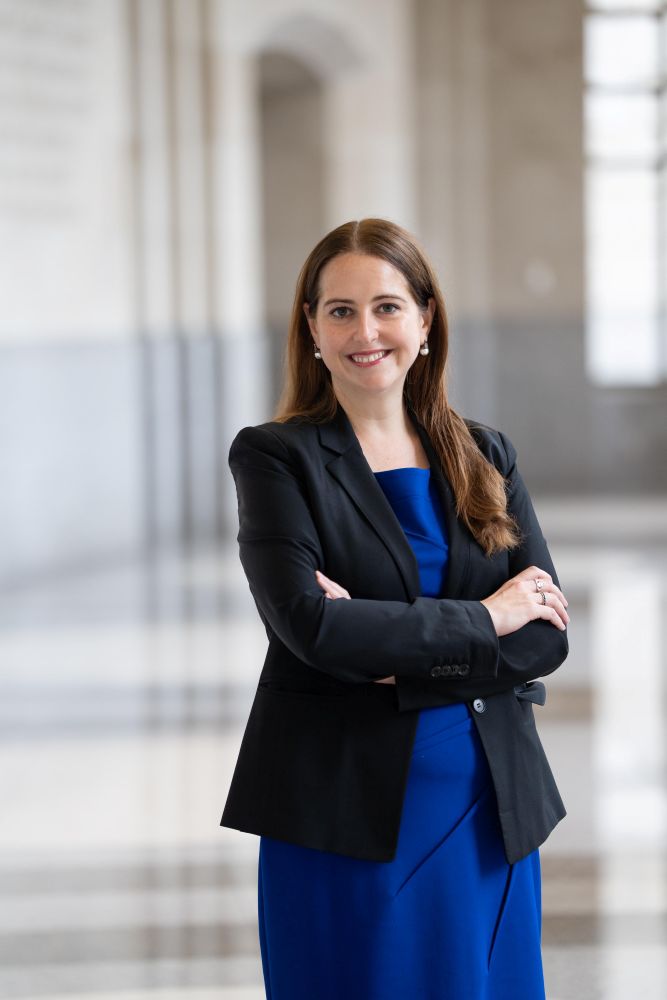
Megan Doherty is the director of the Washington Liaison Office for UNOPS, where she oversees partnerships with governments, multilateral development banks, and philanthropic foundations. She previously served as executive vice president of the Wilson Center, a nonpartisan congressionally-chartered think tank. Doherty's experience in the U.S. government includes serving at the White House as the senior foreign policy advisor to the First Lady and as the National Security Council director for North Africa.
Leslie Shedd
President, Rising Communications
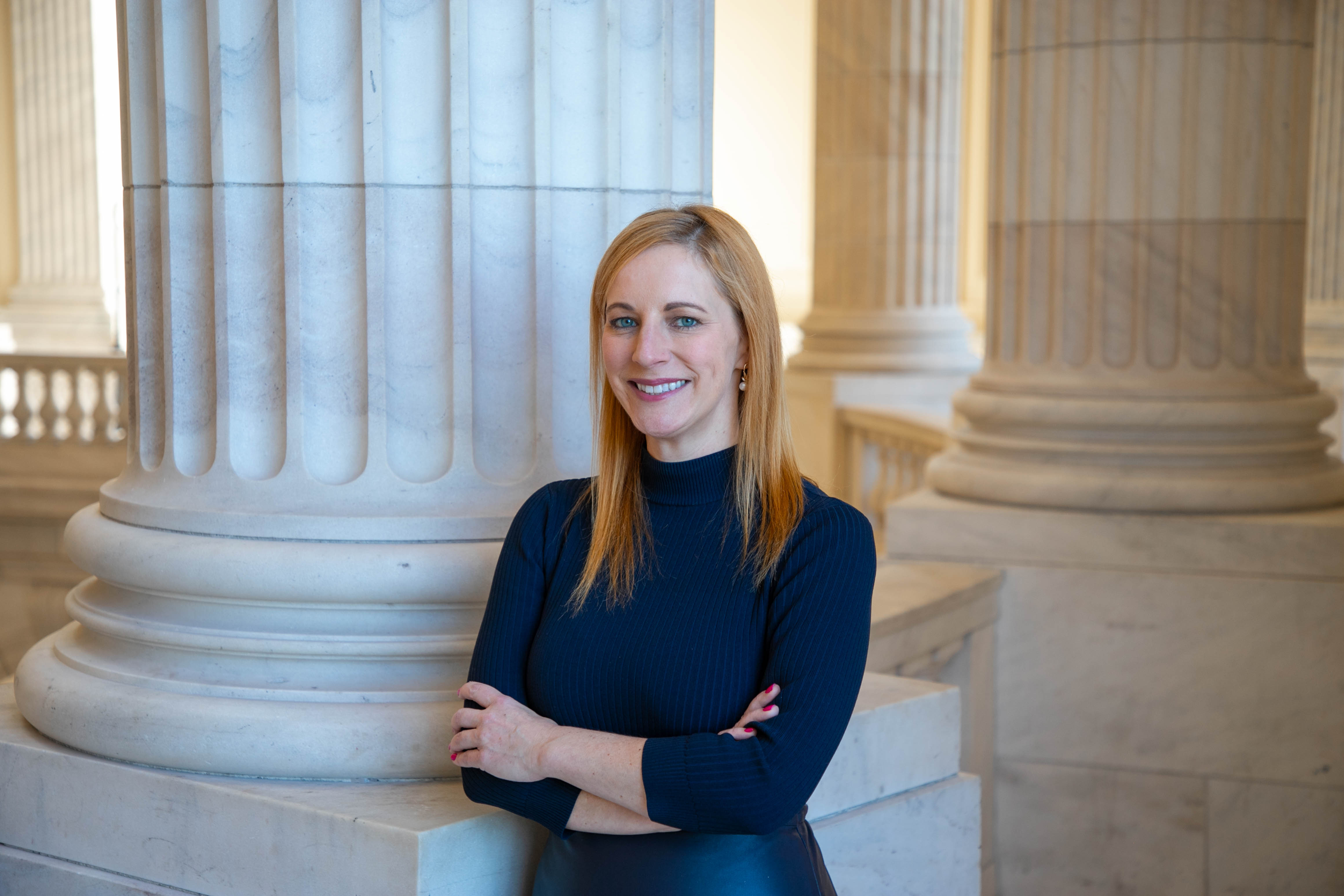
Leslie Shedd is president of Rising Communications. She previously served as a senior advisor to Members of Congress, to U.S. Senate and U.S. Presidential candidates, and to top trade associations for more than 15 years. Most recently, Shedd served as the communications director and senior advisor for the House Foreign Affairs Committee under then-Chairman Michael McCaul (R-TX) as well as the deputy chief of staff for communications to Chairman Michael McCaul’s personal office.
Breakout Session
Starting a Foreign Policy Substack
1:30 - 2:35 PM | 2:45 - 3:45 PM
Substack has become a key part of the policy media ecosystem, home to publishers of outlets like The Bulwark, independent journalists producing original reporting, and leading media personalities from mainstream outlets. For researchers and experts at think tanks and other policy organizations, establishing a presence on Substack and engaging with creators already on the platform is increasingly important.
In this breakout session, Carnegie’s new nedia manager and social media coordinator will give an introduction to Substack, explaining how to adapt traditional media skills to the platform, including how to use Substack’s direct engagement tools and streaming audio and video features. Guided by Junior Fellows, participants will then work together to develop concepts for new foreign policy focused Substack accounts, focusing on providing a unique perspective for a specialized audience.
Breakout Session
Hot Take: Turning Your OPinions Into EDitorials
1:30 - 2:35 PM | 2:45 - 3:45 PM
Think tanks and research organizations generate important independent analysis, often in the form of comprehensive papers and reports. But the media is where many policymakers, government officials, and the public encounter those experts and their ideas first. Op-eds and essays remain key for researchers to reach decisionmakers and communicate the value of their ideas. Translating complicated ideas into accessible writing that can sway debate is an essential skill for foreign policy professionals today.
In this breakout session, Carnegie’s senior editor for news and media relations manager will break down the essentials for pitching and crafting op-eds for major outlets. Then, junior fellows will take participants through an activity putting those skills into practice, giving each participant the opportunity to craft their ideas into a compelling piece.
Keynote
Wed. May 6, 20264:00 PM - 5:00 PM EDT
Keynote Remarks
The keynote speaker will be announced soon.